Finding the Right Minneapolis top Lawn Care Services for Professional Yard Care
Finding the Right Minneapolis top Lawn Care Services for Professional Yard Care
Blog Article
All-Inclusive grass maintenance programs for a dense, verdant Yard
Thorough lawn care services serve an important function in developing a vibrant, healthy yard. Routine methods including mowing, aeration, and fertilization support strong grass growth while decreasing weeds and pests. Understanding earth quality is equally significant, since it impacts nutrient intake. Homeowners regularly face difficulties in upkeeping their lawns. The suitable methods can create notable improvements, generating a lush landscape that improves property value. How do you find the essential actions to guarantee success?
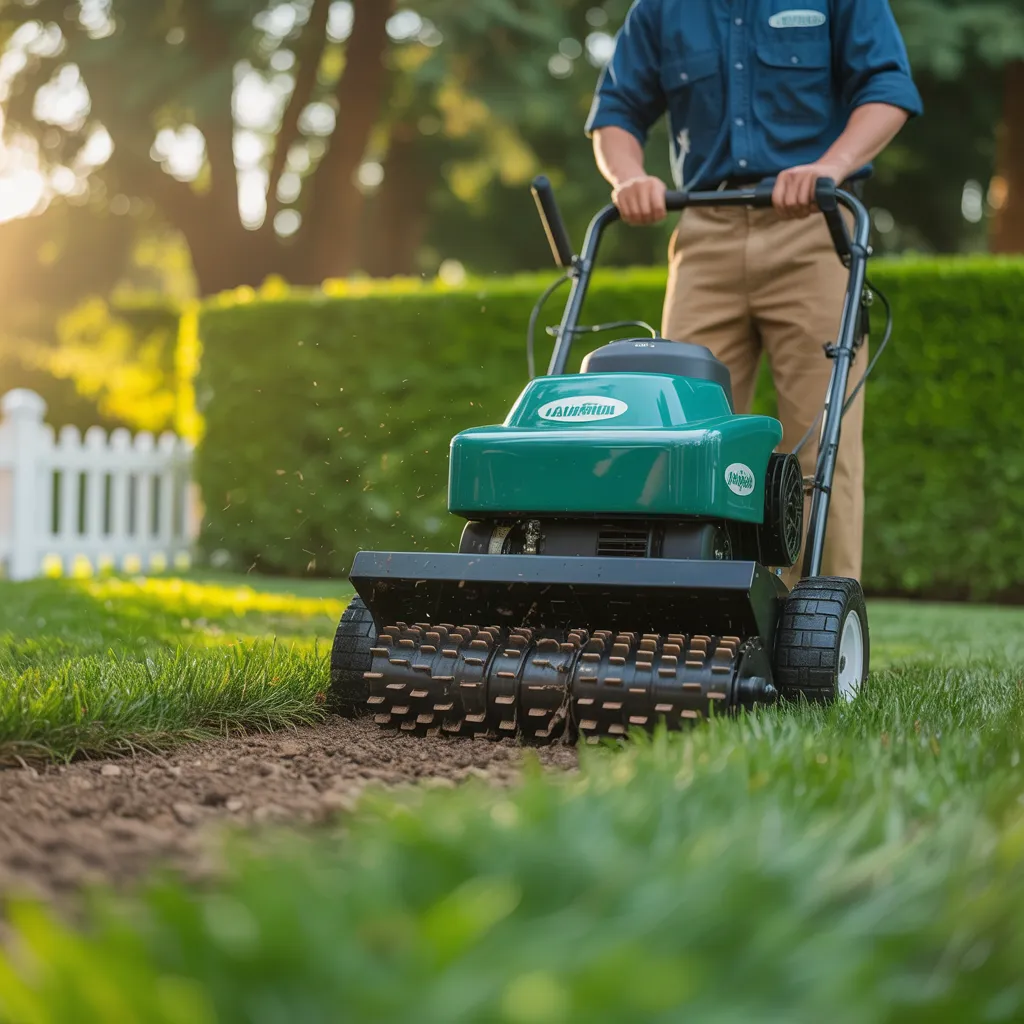
Key Lawn Care Solutions for Maximum Growth
Key lawn care services play an essential role in promoting optimal growth for any yard. These services include a variety of methods that ensure the health and vigor of the grass. Regular mowing is vital, as it encourages even growth while stopping weeds from establishing. Aeration is another essential service, permitting air, water, and nutrients to enter the soil, encouraging deeper root development. Fertilization provides necessary nutrients that boost growth and enhance color, contributing to a lush appearance. Weed control is just as vital, as it protects the lawn from unwanted plants that vie for resources. Additionally, proper irrigation techniques, including scheduling and monitoring, ensure that the lawn receives adequate moisture without excessive watering. Together, these key lawn care services create an environment where grass can thrive, in the end resulting in a vibrant and healthy yard. Maintaining these practices regularly can greatly improve the overall aesthetics and functionality of outdoor spaces.
Why Quality Soil Is Important to Your Lawn's Success
Soil quality acts as the base for a vibrant lawn, shaping all aspects including nutrient availability through moisture control. Rich soil is full of natural organic content, which helps maintain hydration while furnishing vital elements to support lawn establishment. Proper pH levels proves necessary, as it affects the lawn's ability to absorb such elements. Furthermore, helpful microbes present in quality soil support nutrient flow and improve soil composition, resulting in enhanced oxygen flow and drainage.
In contrast, poor soil health can produce compacted, nutrient-depleted conditions that block grass growth. Weeds and pests can prosper in deficient soil, struggling with grass for resources. Frequent soil evaluation and enhancements can help sustain ideal conditions. Ultimately, committing to soil vitality is vital for a thick, emerald lawn, as it establishes a strong biological system that supports strong turf and lowers the need for artificial solutions.
How to Opt for the Best Fertilization Technique
Fertilization proves essential for maintaining a healthy lawn, notably when you build a strong soil foundation. Selecting the most appropriate fertilization strategy demands that you first evaluate the distinct nutrient demands based on soil tests. Understanding the key nutrients—nitrogen, phosphorus, and potassium—is helpful in selecting the appropriate fertilizer type. For example, nitrogen encourages growth, phosphorus supports root development, and potassium improves overall resilience.
Thoughtful placement of fertilizer applications is equally significant; applying fertilizer during the growing season can enhance nutrient assimilation. Additionally, evaluating grass type is essential, as different species have varying nutrient requirements. Sustained-release fertilizers supply sustained nourishment, while rapid-release products yield instant gains.
In conclusion, environmental conditions such as rainfall and temperature should guide feeding rates and schedules. By keeping these factors in mind, residents can devise a bespoke fertilization strategy that cultivates a dense, emerald lawn while enhancing long-term health and well-being.
Grass Care: Reliable Pest Suppression Solutions
Effective pest control is vital for maintaining a healthy lawn. Integrated Pest Management (IPM) strategies present a comprehensive approach, merging different methods to eliminate pests while reducing ecological footprint. Additionally, natural pest control methods supply eco-friendly alternatives that can be equally powerful in protecting lawns from damaging pests.
Integrated Bug Management Approaches
Integrated Pest Management (IPM) approaches offer a comprehensive approach to maintaining vibrant lawns while minimizing ecological effects. This technique emphasizes the significance of monitoring pest numbers and understanding their developmental stages. By recognizing pests accurately, lawn care experts can execute specific treatments rather than broad treatments. Cultural practices, such as proper irrigation and cutting methods, play an essential part in preventing pest problems. Additionally, encouraging beneficial organisms, like hunting insects, can help controlling pest populations naturally. Consistent evaluation and adjustment of strategies guarantee the lawn remains resilient against outbreaks. In summary, IPM cultivates a balanced ecosystem
Natural Bug Management Approaches
Building on the foundations of Integrated Pest Management, organic pest control methods deliver a sustainable approach to handling lawn pests without synthetic chemicals. These techniques stress the use of natural materials and biological agents to discourage harmful insects. For instance, beneficial insects like ladybugs and lacewings can be introduced to control aphid populations. Additionally, natural repellents such as neem oil and diatomaceous earth are powerful alternatives to traditional pesticides. Regularly monitoring pest populations and promoting healthy soil through composting further enhance lawn resilience. By focusing on ecological balance, organic pest control not only protects the lawn but also supports local biodiversity, creating a vibrant and thriving environment. This holistic approach aligns with growing consumer preferences for environmentally friendly lawn care solutions.
Ways Aerating and Overseeding Strengthen Your Lawn Care
Aeration and overseeding act as essential elements in revitalizing a lawn, improving its vitality and visual appeal. Aeration involves drilling the soil with holes to alleviate compaction, allowing air, water, and nutrients to penetrate deeper roots. This process promotes stronger root systems and betters overall soil quality. By enabling better uptake, aeration helps the grass flourish, notably in high-traffic areas.
Overseeding enhances aeration by introducing new grass seed to the existing lawn. This technique fills in bare patches and encourages thicker, healthier growth. It also assists in strengthening the lawn's defense against pests and diseases. The combination of aeration and overseeding creates optimal circumstances for seed germination, producing a lush, green yard.
Together, these practices not only improve the visual beauty of a lawn but also contribute to its long-term sustainability, rendering them vital elements of effective lawn care solutions.
Year-Round Tips for a Radiant Grass Year-Round
To copyright a verdant lawn throughout the year, specific seasonal strategies are important. In spring, strategic fertilization can stimulate vigorous growth, while fall aerating methods help prepare the grass for winter. Understanding these approaches guarantees a lush lawn regardless of the season.
Spring Soil Enhancement Tactics
A carefully planned spring fertilization method can substantially boost the well-being and aesthetic of a lawn throughout the year. As temperatures increase and grass begins to grow, applying a balanced fertilizer with nitrogen, phosphorus, and potassium delivers essential nutrients. Timing is critical; fertilization should be performed after the last frost when grass is in active growth. This encourages healthy root development and vibrant green blades. Furthermore, selecting slow-release formulations can ensure nutrients are supplied over an lengthy period, promoting sustained growth. It is essential to follow the manufacturer’s guidelines for dosages and frequency to prevent essential guide over-fertilization, which can injure the lawn and the environment. Appropriate watering after fertilization further supports nutrient absorption, setting the base for a healthy lawn.
Seasonal Aerating Approaches
Refreshing a lawn in the fall often involves adopting proven soil aerating practices. Aeration is critical for bettering soil condition and encouraging strong root expansion. This operation involves creating tiny openings in the soil with small perforations to relieve soil density, permitting air, water, and nutrients to sink deeper. The finest time for fall aeration is when the grass is vigorously growing, typically between September and October. Homeowners can decide between soil core removal, which removes plugs of soil, and spike formation, which just makes holes. Following aeration, spreading nutrient-rich plant food can further promote lawn rejuvenation and growth. Recurring fall aeration not only increases turf resilience but also readies it for the winter months, ensuring a vibrant and green yard come spring.
Advantages of Choosing Professional Lawn Care Providers
Retaining professional lawn care experts transforms outdoor spaces into lush, vibrant landscapes. These experts impart advanced technical knowledge and hands-on experience, guaranteeing that lawns receive customized programs designed for particular lawn needs. Professional services commonly include fertilization, pest control, and weed management, all of which foster a healthier lawn.
Moreover, these solutions often use advanced equipment, generating results that may be tough for homeowners working with standard equipment. Time savings represent another important benefit; by subcontracting lawn care tasks, homeowners can focus on other priorities while sustaining a beautiful yard.
Additionally, experts remain current on the newest turf maintenance developments and eco-conscious practices, promoting sustainability. Routine upkeep provided by experts can enhance the general aesthetic and worth of a property. In conclusion, engaging expert lawn care solutions not only boosts the appearance of exterior areas but also guarantees effective, efficient, and sustainable lawn care.
Frequently Asked Inquiries
What Frequently Should I Mow My Lawn for Best Results?
Authorities propose keeping the grass cut each week in the growing season. This practice facilitates healthy progression while preventing the grass from reaching excessive height, maintaining a tidy presentation and minimizing the occurrence of pests and disease.
When Is the Top Season to Perform Lawn Care?
The best season for grass maintenance typically falls in spring and early fall. During these seasons, grass grows vigorously, allowing for ideal nutrient application, soil loosening, and seed spreading, guaranteeing a vibrant, green turf.
Should I Undertake Lawn Care Myself or Employ Professionals?
Individuals can decide to perform lawn care on their own or employ experts, depending on their expertise, available time, and wanted outcomes. DIY offers cost savings, while professionals provide specialized knowledge and efficient service for better results.
How Do Weather Conditions Alter Your Lawn Care Schedules?
Weather circumstances greatly shape lawn care practices. Rain can foster growth, while drought compels more frequent watering. Temperature swings impact mowing schedules, and seasonal variations set fertilization timing, requiring adaptability for ideal lawn health.
What Make Up Routine Issues to Bypass in Yard Maintenance?
Frequent issues in grass upkeep involve overwatering, wrong cutting lengths, disregarding soil quality, choosing incorrect fertilizers, and ignoring pest control. Understanding and right practices can greatly enhance the health and appearance of the lawn.
Report this page