Quality canton top Synthetic Turf Installation
Quality canton top Synthetic Turf Installation
Blog Article
Artificial Grass Installation: The Green Answer for Your Lawn
Synthetic grass setup constitutes a viable substitute for homeowners searching for a eco-conscious yard solution. Its durability and reduced upkeep needs offer major advantages over traditional grass. As water savings grows increasingly vital, synthetic grass serves as an effective remedy to environmental concerns. Nevertheless, the decision to place artificial grass entails numerous considerations that warrant comprehensive examination. Which aspects must homeowners assess before undertaking the switch to this eco-friendly option?
Comprehending Artificial Grass: Critical Characteristics and Perks
Synthetic turf has become a widely-used alternative to natural grass, delivering numerous perks for various applications. One of its key features is robustness; synthetic grass can resist heavy foot traffic and extreme weather conditions without breaking down. This durability makes it an excellent choice for sports fields, playgrounds, and residential lawns.
Furthermore, artificial grass requires reduced upkeep when set against natural grass. There is no need to perform mowing, watering, or fertilizing, generating significant time and cost savings for homeowners and facility managers alike.
In addition, artificial grass is environmentally friendly, as it conserves water and eliminates the need for harmful pesticides and fertilizers.
Modern synthetic turf mimics the appearance and feel of natural grass through advancements in technology, delivering aesthetic appeal without the drawbacks. These features together make synthetic turf a viable and attractive option for a wide range of uses.
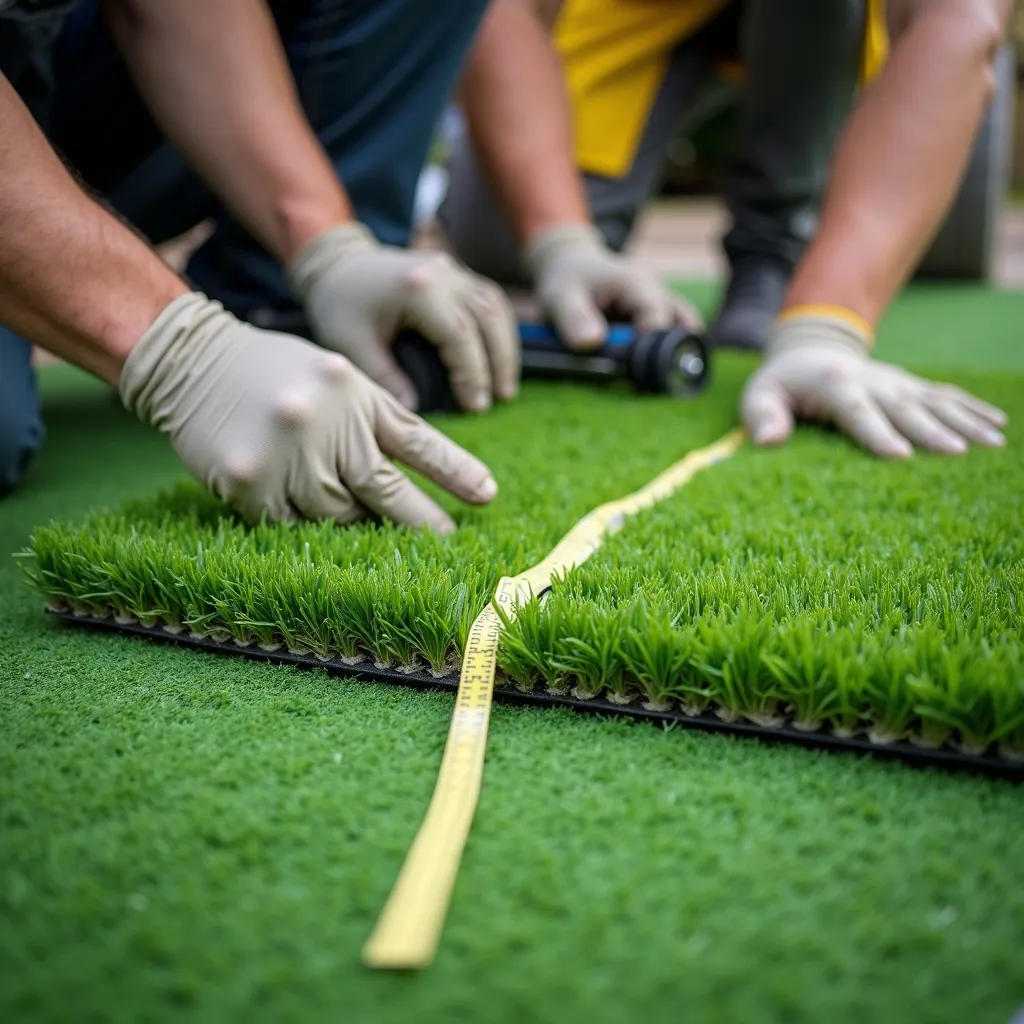
Installing Synthetic Turf: A Detailed Tutorial Guide
When considering the benefits of synthetic turf, the next natural progression is understanding the installation process.
The initial phase involves site readiness, which includes clearing the area of present grass, weeds, and debris. Next, a foundation of crushed stone or stone is positioned to guarantee proper drainage and structural integrity. Following this, a protective fabric is applied to prevent unwanted growth.
After preparing the base, the synthetic turf rolls are unrolled and positioned, allowing for proper alignment. The edges are anchored with stakes or adhesive, confirming a seamless appearance.
After placement, a layer of infill material, such as rubber or sand, is applied evenly to offer weight and support. Finally, the turf is brushed to lift the fibers and deliver a authentic appearance.
Implementing these steps yields a durable, low-maintenance lawn that enriches both aesthetics and usability.
Why Opt for Synthetic Turf? Green and Practical Perks?
Picking synthetic turf offers many environmental and practical advantages that make it an appealing option for numerous homeowners and businesses. One significant benefit is water conservation; synthetic grass removes the requirement for routine irrigation, which is especially advantageous in arid regions.
Moreover, it additional information minimizes the dependence on toxic pesticides and fertilizers, fostering a healthier ecosystem.
From a practical standpoint, synthetic turf requires slight attention, saving time and money on grounds maintenance. It remains thick and green throughout the year, providing a consistent visual beauty without periodic shifts.
In addition, synthetic turf is resilient, able to withstand heavy foot traffic and various weather conditions, making it ideal for both residential and commercial applications.
These aspects not only enhance the operational efficiency of outdoor spaces but also bolster long-term sustainability, showcasing synthetic turf as a preferable choice for planet-aware buyers.
Critical Considerations for Synthetic Turf Installation
Numerous factors must be reviewed before proceeding with synthetic turf placement. First, it is important to determine the proposed purpose of the area. Different types of synthetic turf are built for specific activities, such as sports or residential outdoor design.
Second, the regional weather conditions should be taken into account; some substances may withstand heat better than others.
Site setup is another vital element, necessitating sufficient drainage systems and a flat base to ensure durability and performance. Moreover, potential local regulations or homeowners' association guidelines may impact installation options.
Selecting the appropriate infill material is crucial for durability and ease, as it affects both the look and texture of the turf.
In conclusion, choosing a reputable installer can considerably shape the quality and longevity of the installation. By tackling these points, homeowners can reach knowledgeable determinations that most appropriately suit their needs and enhance their garden spaces.
Proper Care for Your Artificial Turf Lawn
Maintaining a synthetic turf lawn requires a regular maintenance routine to ensure its durability and visual appeal.
Regular maintenance includes tackling any spots and applying fix methods as needed.
Maintain a steady maintenance schedule
Preserving the appearance and longevity of synthetic turf lawns depends on a consistent cleaning schedule. Regular maintenance helps avoid debris buildup, reduces odors, and improves aesthetic appeal.
Homeowners should strive to clear leaves, twigs, and other natural debris at least once a week, especially during fall. Additionally, rinsing the turf with water monthly can help remove dust and allergens, ensuring a fresh look.
High-traffic areas may require consistent maintenance to maintain the turf's integrity. When frigid weather arrive, frozen layers must be carefully removed to avoid damaging the fibers.
Locating and Repair Guidelines
Recognizing and correcting issues promptly is essential for sustaining the strength of synthetic turf lawns. Regular reviews should be conducted to detect signs of injury, such as tears, deterioration, or uneven surfaces.
Upon detecting a problematic area, immediate action is necessary. Minor tears can be repaired with dedicated adhesive or turf tape, maintaining a firm bond without compromising appearance. For larger issues, professionals may be needed to replace sections of turf.
Furthermore, keeping the base material intact is vital; any displacement can lead to more serious problems. Frequent brushing helps preserve an consistent surface and can also identify underlying problems.
Budget Assessment: Synthetic Turf vs. Natural Grass
When weighing the costs of synthetic turf to natural grass, initial installation expenses represent a key consideration.
In addition, long-term upkeep expenses can significantly affect the overall financial commitment of each option.
A detailed review of these factors shows vital details for potential buyers.
Initial Setup Costs
Initial setup expenses are vital to the selection process for property owners and local governments considering synthetic turf in comparison to natural grass.
Typically, the initial costs for synthetic turf can range from $5 to $20 per square foot, depending on quality and installation complexity. In contrast, natural grass installation usually costs between $1 to $2 per square foot.
However, the total cost in genuine lawn can expand markedly due to earth preparation, water systems, and regular maintenance requirements.
Homeowners and municipalities must assess these preliminary expenses against the potential long-term benefits of synthetic turf, such as minimized water needs and decreased maintenance demands.
Ultimately, understanding these costs aids in making educated, sustainable landscaping choices.
Sustained Repairs Expenses
Long-term upkeep costs prominently affect the overall financial efficiency of synthetic turf compared to natural grass.
Upkeeping natural grass involves recurring financial commitments, featuring regular cutting schedules, nutrient enrichment, proper irrigation, and preventative pest control, which can compound substantially over time. Homeowners may spend hundreds to thousands of dollars annually to maintain a vibrant lawn.
In comparison, synthetic turf demands minimal maintenance, largely periodic cleaning and rinsing to clear away debris. Though the early financial commitment in artificial grass might be elevated, the reduced long-term costs establish it as an attractive substitute.
In addition, synthetic turf gets rid of irrigation expenses connected to irrigation, maximizing its cost-effectiveness over time.
In the end, the financial advantages of artificial grass care can lead to significant cost reductions for property owners over time.
Debunking Popular Myths About Synthetic Turf
Although numerous individuals hold misunderstandings about synthetic turf, understanding the facts can result in informed choices. One common myth is that synthetic turf is damaging to the environment; however, many items are made from reclaimed resources and are designed to be long-lasting, reducing waste.
A common notion is that synthetic turf requires substantial heat control, but modern installations often employ effective cooling technologies that reduce temperature issues.
In addition, some critics insist that synthetic turf promotes synthetic chemicals; yet, enhancements in materials have considerably diminished the demand for injurious filler materials.
Finally, the assumption that synthetic grass cannot support biodiversity is misleading; many installations can coexist with native plants, providing habitats for local wildlife.
Popular Inquired Questions
What Is the Lifespan of Synthetic Turf Before Requiring Replacement?
Artificial grass usually lasts between 15 to 25 years before requiring replacement. Elements determining longevity include quality, maintenance habits, and weather conditions, which can significantly impact its durability and overall performance over time.
Finding Out Whether Companion Animals Can Safely Utilize Synthetic Turf?
Pets can securely enjoy synthetic turf, as it is engineered to be durable and non-toxic. Regular upkeep ensures hygiene, making it a practical option for pet owners seeking a low-maintenance, enjoyable outdoor space for their animals.
Can Synthetic Turf Absorb Heat During Bright Weather?
Yes, synthetic grass does retain heat in bright weather, significantly increasing surface temperatures. This can result in discomfort for both animals and people. Frequent watering or choosing lighter-colored turf can help minimize this heat absorption.
What Choices Are Offered for Artificial Grass Pigments and Styles?
There are artificial grass varieties including colors such as vibrant greens, earthy browns, and specialty shades. From authentic mimicry of natural grass to artistic designs, types cover diverse looks and functionalities.
What Impact Does Synthetic Turf Have on Local Wildlife?
Artificial turf can disrupt local wildlife by changing habitats and decreasing natural food sources. Its inflexibility may deter certain animals from nesting and foraging, potentially resulting in reduced species diversity in the impacted regions.
Report this page